European Alternative to Heroku
European Alternative to Heroku
LayerOps vs Heroku
Heroku pioneered simple deployments, but it now comes with expensive dynos, mandatory add-ons, and single-provider lock-in on US-owned infrastructure. LayerOps is the European alternative — the same developer experience, deployed on sovereign clouds, at a fraction of the cost.
See it in Action
A glimpse into the LayerOps console
Deploy, monitor, and manage all your containers from a single console.
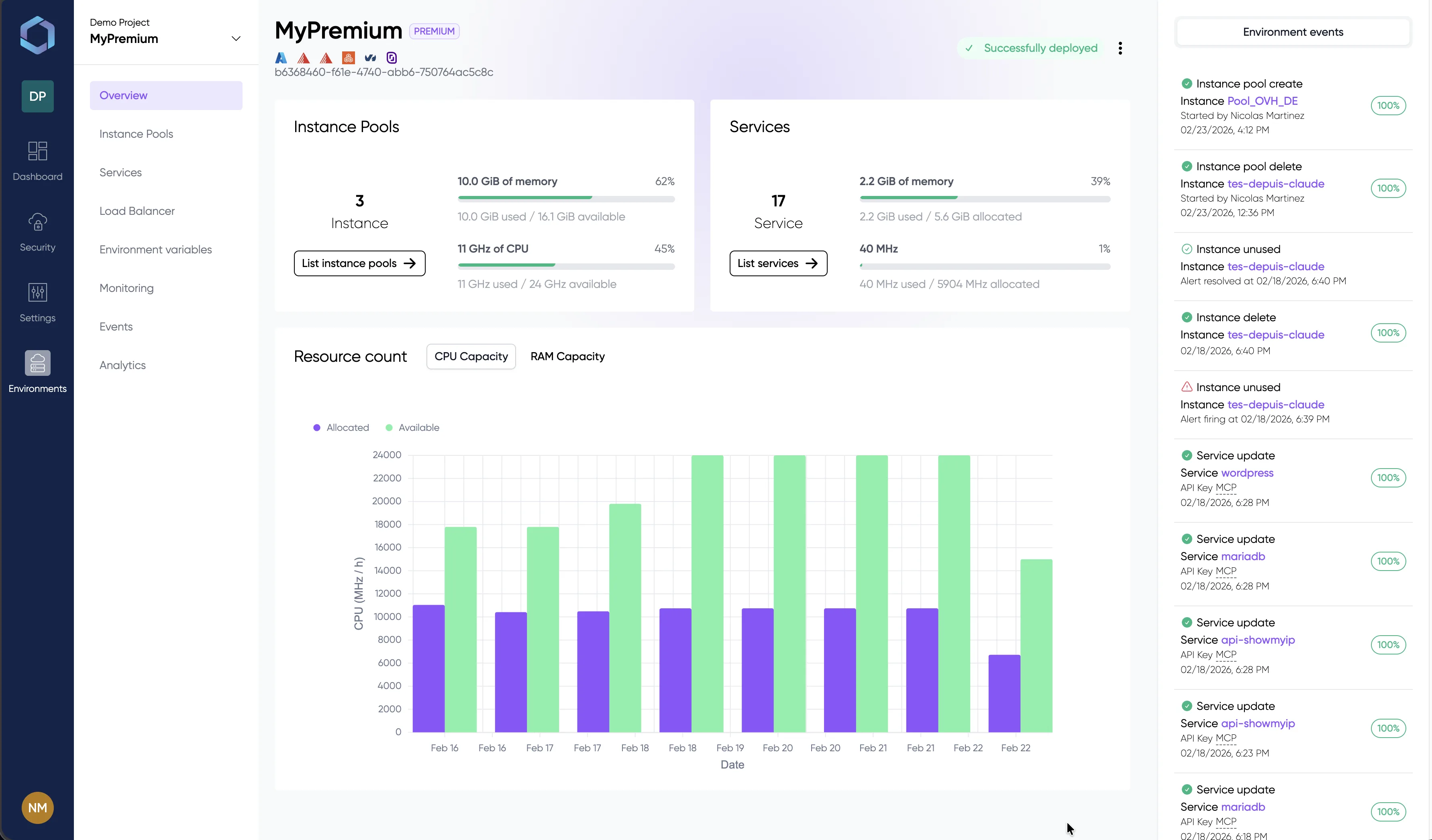
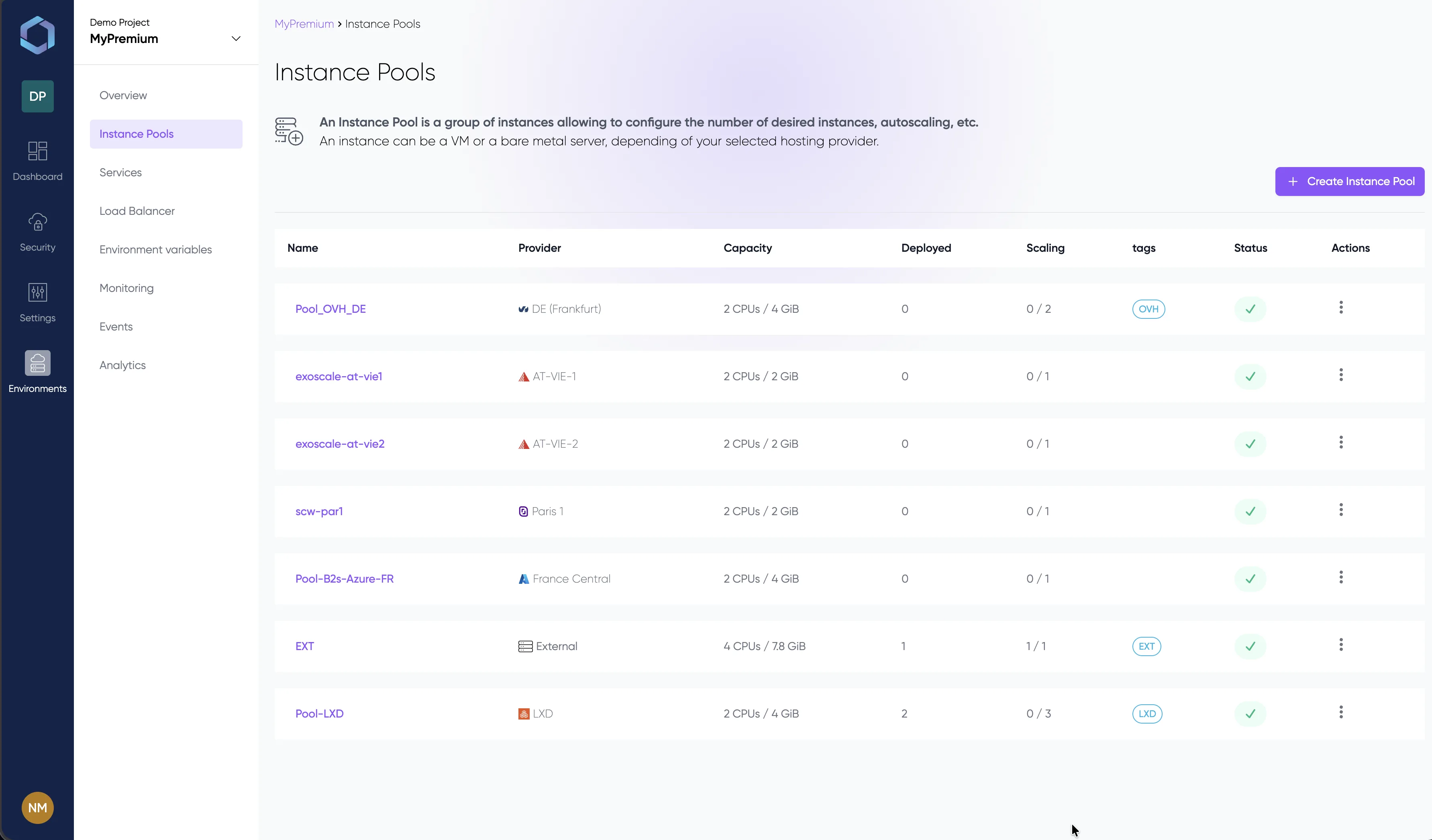
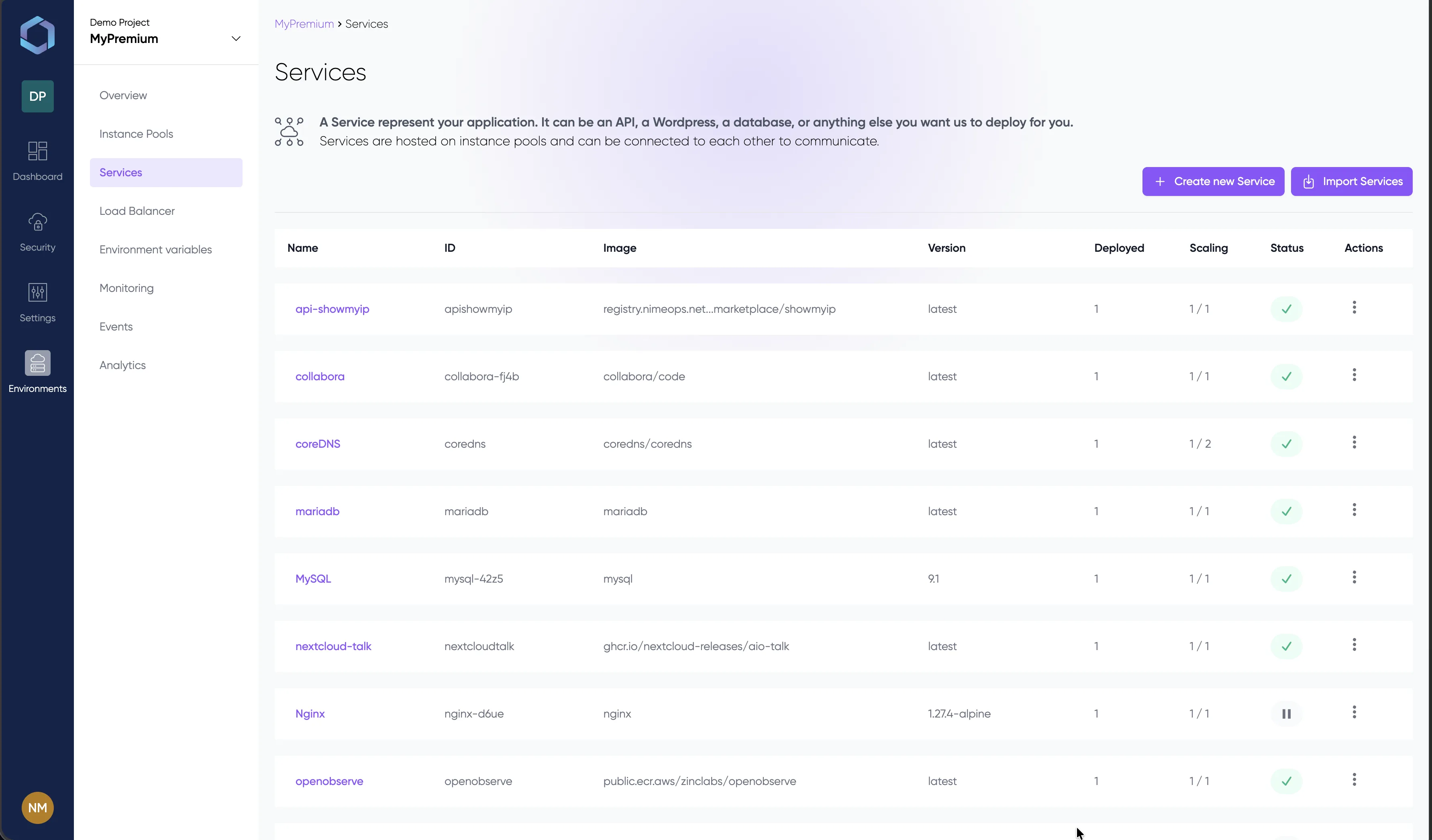
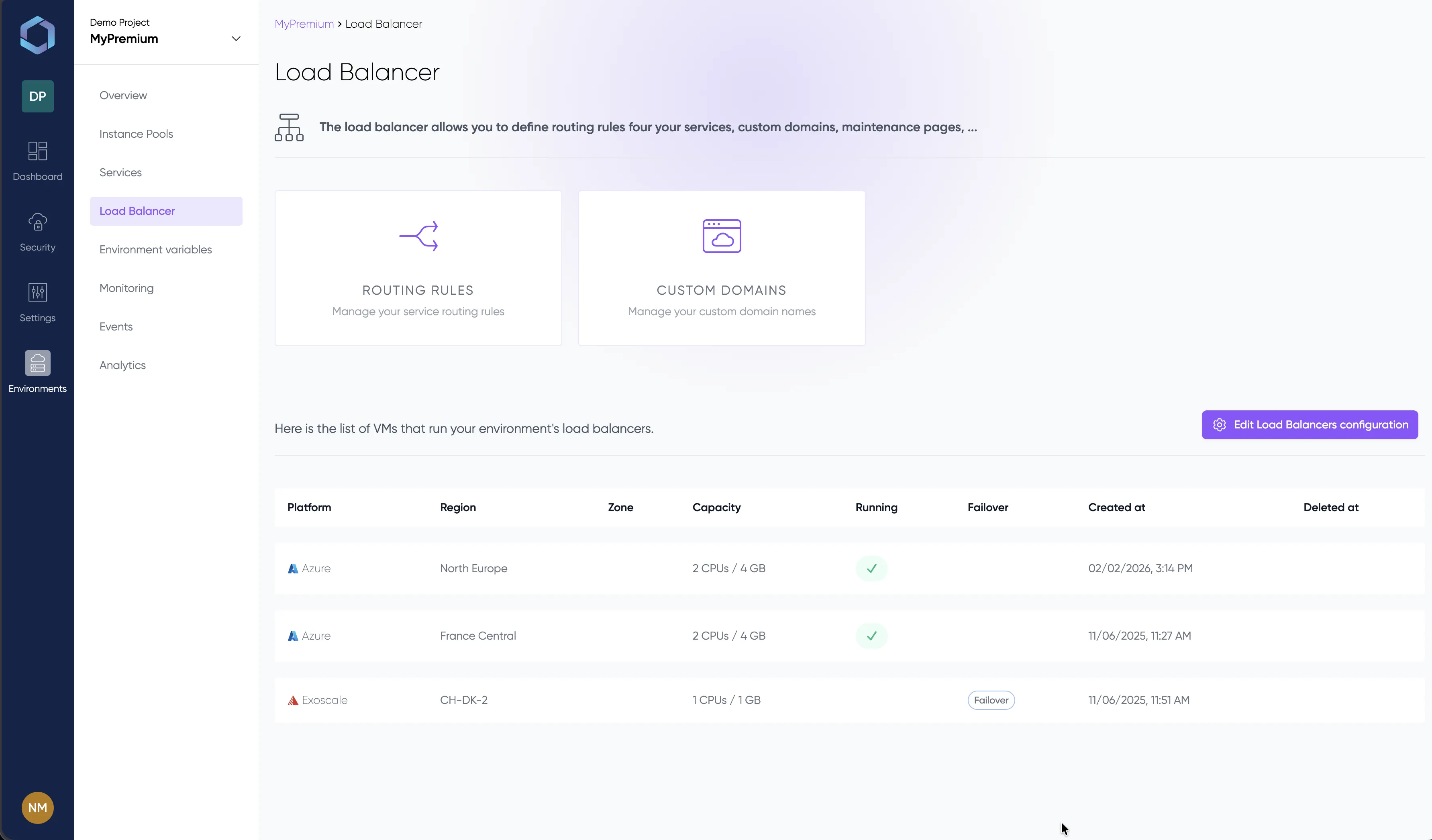
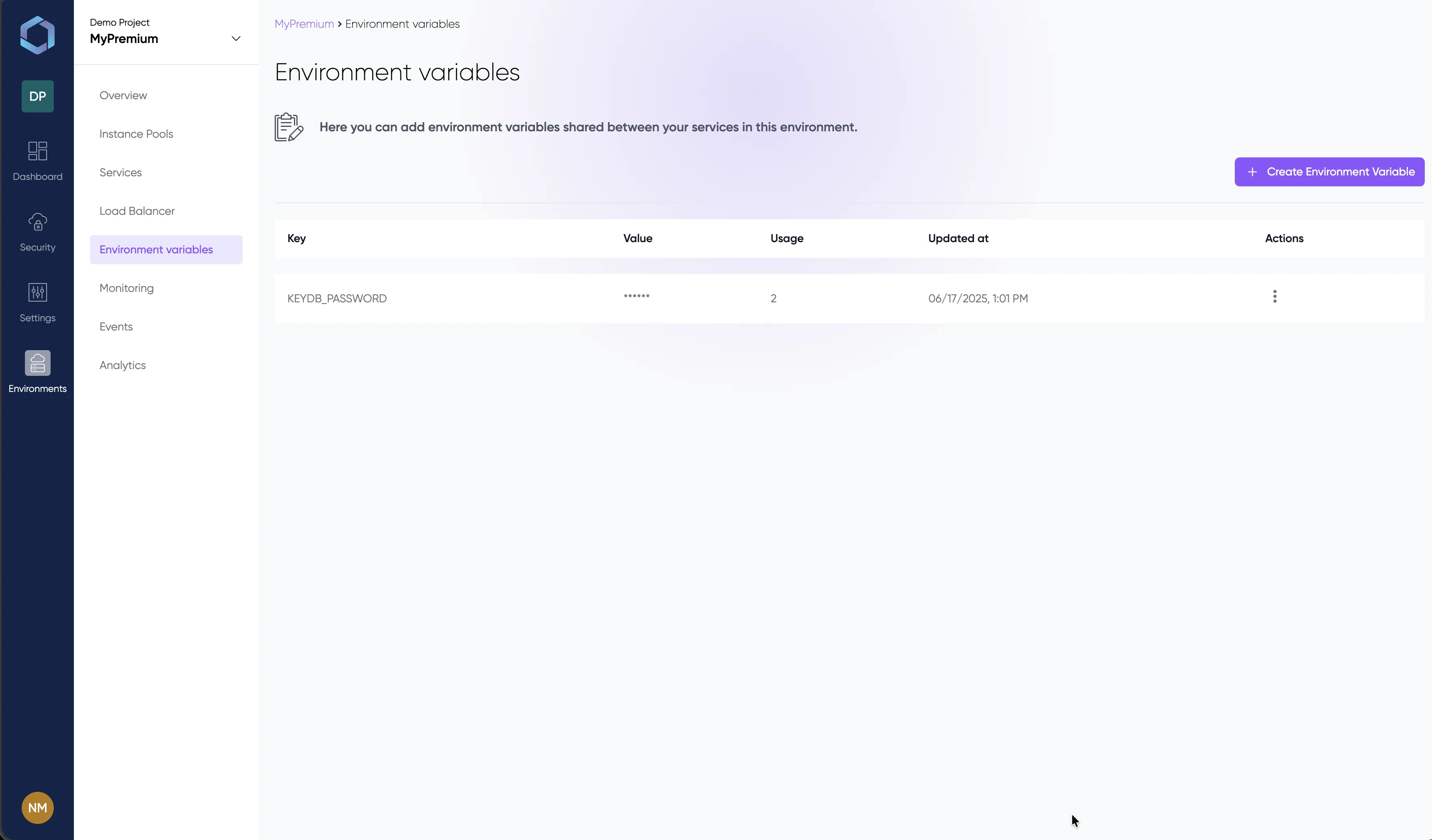
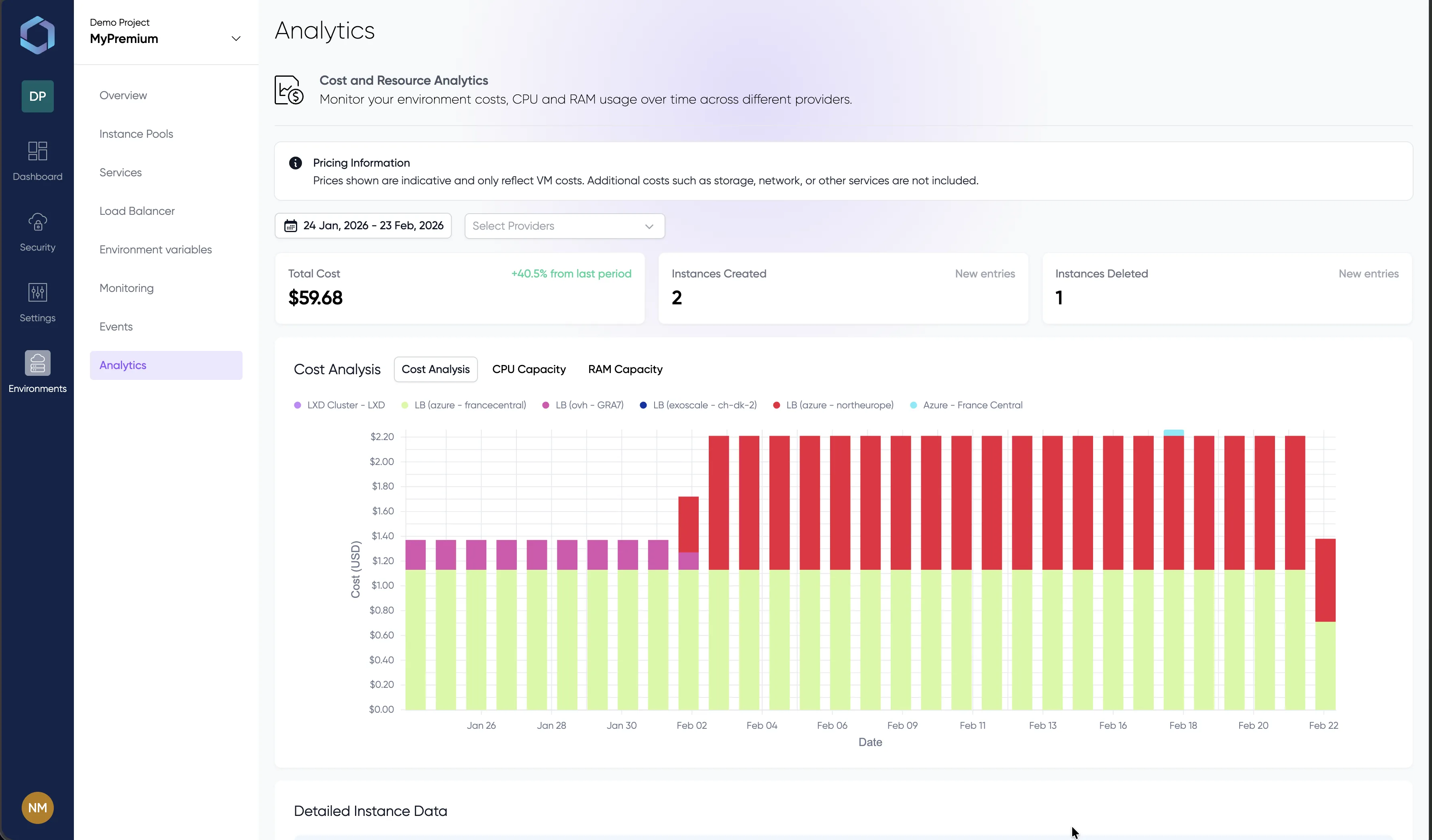
Explore the console with sample data — no signup required
Why teams move away from Heroku
Expensive at scale
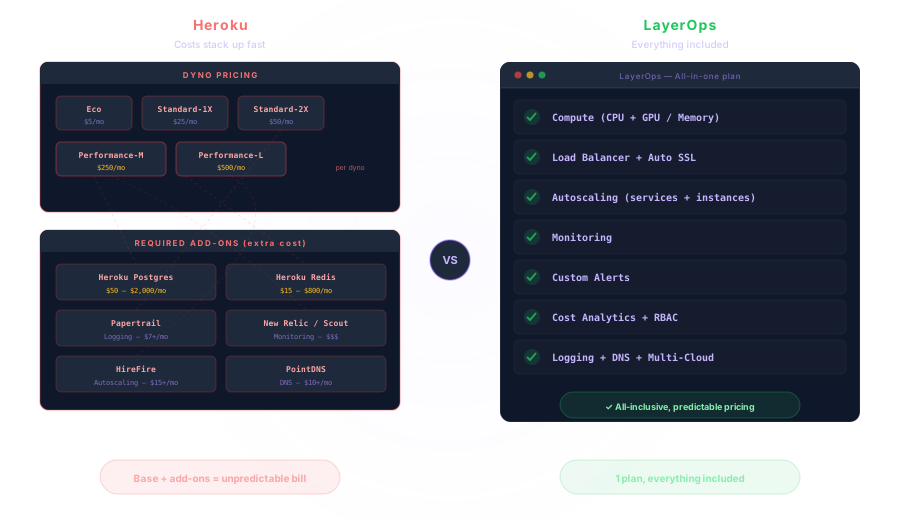
Heroku dynos are costly — Standard-1X at $25/mo, Performance-M at $250/mo — and that's per dyno. Add-ons like Postgres ($50–$2,000/mo), Redis, logging, and monitoring stack up fast. The free tier is gone. LayerOps offers all-inclusive pricing with no per-service surcharges.
Vendor lock-in
Heroku uses proprietary buildpacks, a closed add-on marketplace, and is owned by Salesforce. Migrating away means rewriting your deployment pipeline. LayerOps uses standard Docker images and guarantees full reversibility — export to Docker Compose or Kubernetes at any time.
Single region, single provider
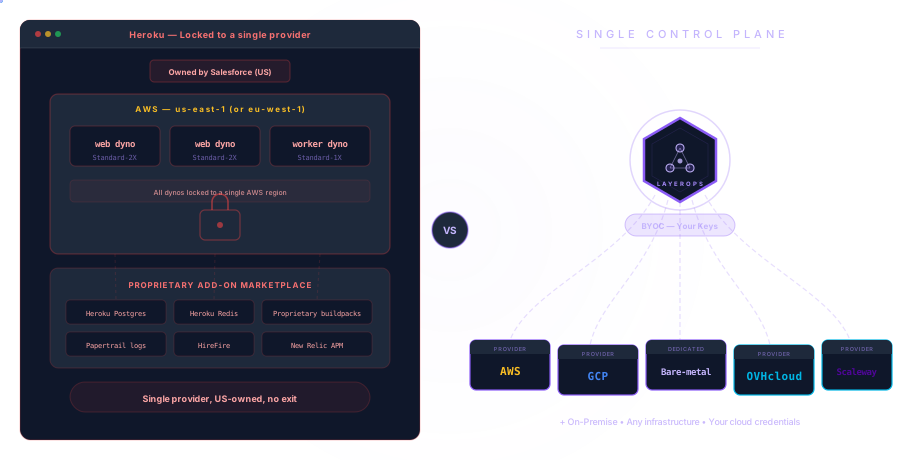
Heroku runs exclusively on AWS in limited regions. No multi-cloud, no European data sovereignty. LayerOps deploys across AWS, GCP, Azure, OVH, Scaleway, and bare-metal from a single control plane.
Limited scaling options
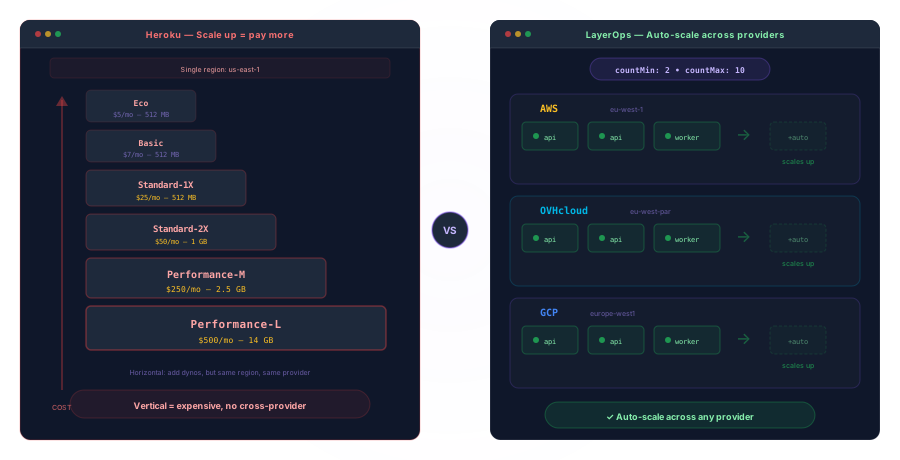
Heroku scaling means upgrading dyno types (vertical, expensive) or adding more dynos with no cross-provider resilience. Native autoscaling does not exist — you need a third-party add-on like HireFire. LayerOps auto-scales services and instances natively across all clouds.
No infrastructure control
No BYOC, no bare-metal, no hybrid cloud. You cannot bring your own cloud credentials or run workloads on your own servers. LayerOps supports Bring Your Own Cloud and on-premise deployments.
No European data sovereignty
Salesforce is a US company. Your data on Heroku is hosted on AWS under US jurisdiction (Cloud Act). LayerOps lets you deploy on sovereign European providers — OVHcloud, Scaleway, Exoscale — with full GDPR compliance.
Cost Comparison
All-inclusive vs nickel-and-dime pricing
Heroku's base dyno cost is just the beginning. Postgres, Redis, logging, monitoring, autoscaling, and DNS each require a separate paid add-on. The bill grows unpredictably as your app scales. LayerOps includes all of these capabilities in a single, predictable plan — no surprises.
Provider Freedom
Escape single-provider dependency
Heroku locks you into AWS with no option to deploy elsewhere. If AWS has an outage, your app goes down — no failover, no alternative. LayerOps connects to AWS, GCP, Azure, OVH, Scaleway, and bare-metal through your own cloud credentials (BYOC). Add a provider, redeploy — your workloads flow where they belong. Learn about Bring Your Own Cloud →
Scaling Architecture
Horizontal multi-cloud scaling vs expensive dyno upgrades
Heroku's vertical scaling requires upgrading dyno tiers — from Standard-1X ($25) all the way to Performance-L ($500). Horizontal scaling adds dynos, but they all run in a single AWS region with no cross-provider resilience. LayerOps auto-scales horizontally across multiple providers and regions, with built-in failover.
| Heroku | LayerOps | |
|---|---|---|
| CostCompute pricing | From $5 (Eco) to $500/mo (Performance-L) per dyno | Included in plan |
| Database | Add-on: $50–$2,000/mo (Heroku Postgres) | Bring your own or managed |
| Redis | Add-on: $15–$800/mo (Heroku Redis) | Bring your own or managed |
| Monitoring | Add-on required (New Relic, Scout) | Built-in |
| Logging | Add-on required (Papertrail, Logentries) | Built-in |
| DevOps required | No (but limited control) | No — managed platform |
| DeploymentDocker deployment | Partial (container registry) | Native |
| Git-based deployment | ✓ (git push heroku) | Built-in Git integration |
| Auto-scaling | Third-party add-on (HireFire) | Built-in, per-service |
| Load Balancer with SSL | Included (shared, limited config) | Built-in HTTP/2 LB + auto SSL |
| Custom domains | ✓ (CLI command) | One-click domain mapping |
| Rollbacks | Limited to 25 releases | Full version history |
| ScalingHorizontal scaling | Add dynos (single region) | Cross-provider, multi-region |
| Vertical scaling | Upgrade dyno type (costly) | Adjust CPU/memory per service |
| Instance auto-scaling | N/A (managed dynos) | Built-in, automatic |
| Multi-CloudCloud providers | AWS only | AWS, GCP, Azure, OVH, Scaleway, bare-metal |
| Multi-region | Limited (Private Spaces, $$$) | Native — any region, any provider |
| Bring Your Own Cloud (BYOC) | ||
| Hybrid cloud (cloud + bare-metal) | Native — mix any infrastructure | |
| Cloud provider switch | Major rewrite | Add a provider, redeploy |
| Monitoring & SecurityMonitoring dashboards | Add-on required | Built-in |
| Alerting | Add-on required | Built-in custom alerts |
| Cost analytics | N/A | Built-in per-environment analytics |
| RBAC | Team-level (Enterprise only) | Simple environment-level RBAC |
| SSH access | heroku ps:exec (limited) | Temporary authorized SSH |
| OperationalData sovereignty | US company, AWS infrastructure | EU providers of your choice |
| Reversibility | Proprietary buildpacks, add-on lock-in | Migrate to Docker Compose, K8s, OCI |
| On-premise option | ✓ (self-hosted, white-label) |
Still happy on Heroku?
Heroku remains a solid choice for prototypes and small projects. But for production workloads that need multi-cloud resilience, cost control, or European data sovereignty, LayerOps gets you there — faster and cheaper.
Worried about lock-in? LayerOps guarantees full reversibility — export your stack to Docker Compose, Kubernetes, or any OCI-compatible platform at any time. Zero vendor lock-in by design.
Looking to build an Internal Developer Platform? See how LayerOps enables Platform Engineering with golden paths, self-service deployments, and built-in guardrails.
Also comparing other platforms? See LayerOps vs Kubernetes, LayerOps vs AWS Fargate, LayerOps vs Portainer, LayerOps vs Azure ACI, or LayerOps vs Docker Swarm.
Need to deploy on your own infrastructure? Discover LayerOps On-Premise — self-hosted, white-label, sovereign.
See it in action
Explore the LayerOps console without creating an account. Browse environments, services, monitoring dashboards and deployment configs — all with realistic data.
Ready to leave dyno pricing behind?
Deploy your first service in minutes, not days.